The soldier the nation forgot
In 1861, in a church in Rochester, an eighteen-year-old from Flushing named Albert Townsend heard Frederick Douglass speak. He was a meek young man, no natural soldier, but he could see the war coming and decided the cause was his to answer. He left his family and Leanna, the woman he would marry, and enlisted.
He joined the 34th New York Independent Battery, the "Bad Boys of Flushing," under Jacob Roemer, a Flushing shoemaker who was wounded again and again and kept standing. Albert was the man "with sponge in hand," swabbing and loading a 1,700-pound cannon under fire. At Pegram's Farm the line broke, and Albert, sponge staff still in his hands, rallied the men and saved the unit. Roemer called him one of the finest soldiers he ever commanded.
His closest friend in the war was Charles Veal, a Black soldier from Portsmouth, Virginia, who carried the national colors through New Market Heights after two flag-bearers were shot down, and received the Medal of Honor for it.
Albert came home, married Leanna and raised a family. He died in 1882. Leanna died three days later.
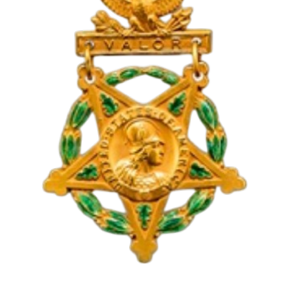
Albert Townsend's nomination has been reviewed by the White House and the Army Awards Branch, and is being prepared as a Bill before the House of Representatives. His descendants Douglas and Robert Scheidet, with Civil War historian Brad Quinlin, are working to see him awarded the Medal he was denied.